
Hair myths people believe (and why they’re wrong)
Think you’re savvy when it comes to how you should look after your locks? You may be surprised to find you’re making mistakes, explains celebrity hair stylist, Andrew Barton.
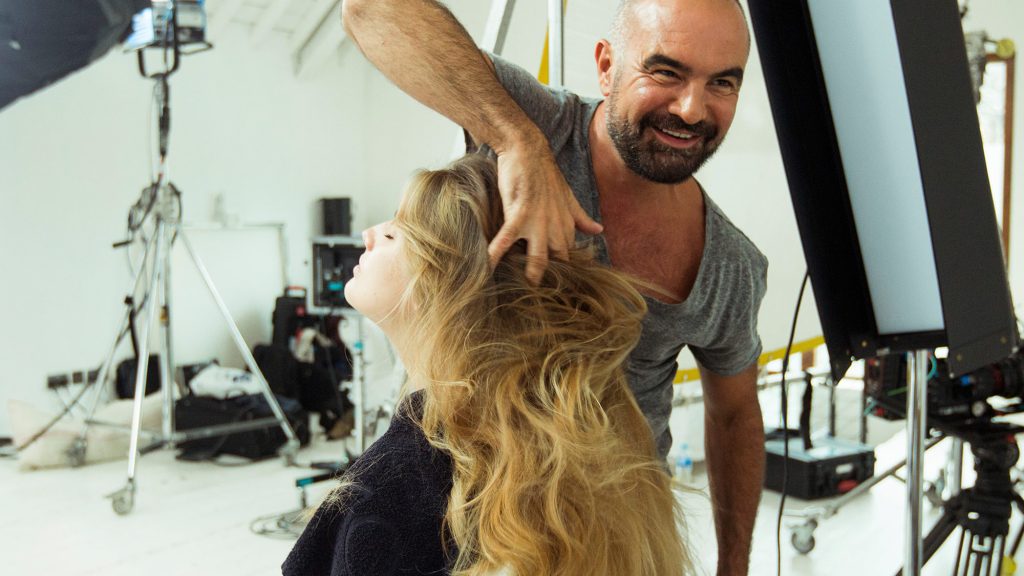
From styling royalty, celebrities and television personalities, to appearing regularly on TV and radio as one of Britain’s most trusted hair experts, Andrew Barton has spent more than three decades helping people achieve healthier, happier hair. He’s witnessed countless trends come and go – yet despite advances in hair science and technology, some hair myths continue to refuse to die.
“One of the most rewarding parts of my job is helping people understand their hair better,” says Andrew. “Unfortunately, there’s still a huge amount of misinformation out there, and some of these myths can actually prevent people from making the best decisions for their hair.”
Here, Andrew reveals the truth behind five of the most common hair myths people still believe today.
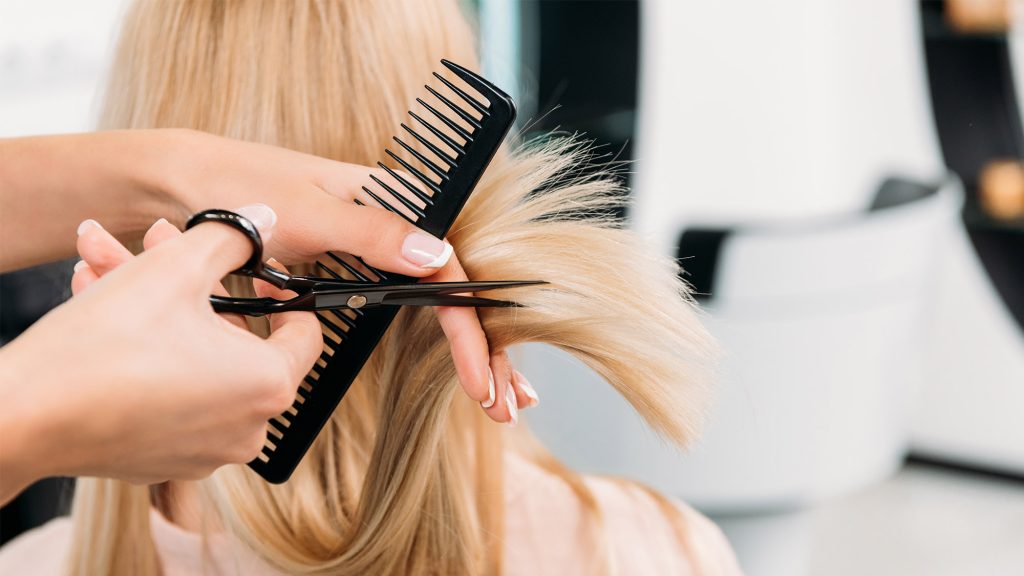
Cutting your hair makes it grow faster
This is perhaps the most common hair myth of all. Many people believe that frequent trims somehow encourage hair to grow more quickly. While regular haircuts are certainly important for maintaining healthy hair, they have absolutely no impact on the rate at which your hair grows. Hair growth takes place beneath the scalp within the hair follicle, and once the hair emerges from the scalp, it is made up of dead keratin cells. Cutting the ends cannot influence the activity taking place at the root, while on average, hair grows around half an inch per month regardless of how often it is cut.
“So why does this myth persist?” says Andrew. “Because freshly-cut hair looks healthier, thicker and fuller. By removing split ends and damage, it instantly appears in better condition, giving the impression that it’s growing more effectively.”
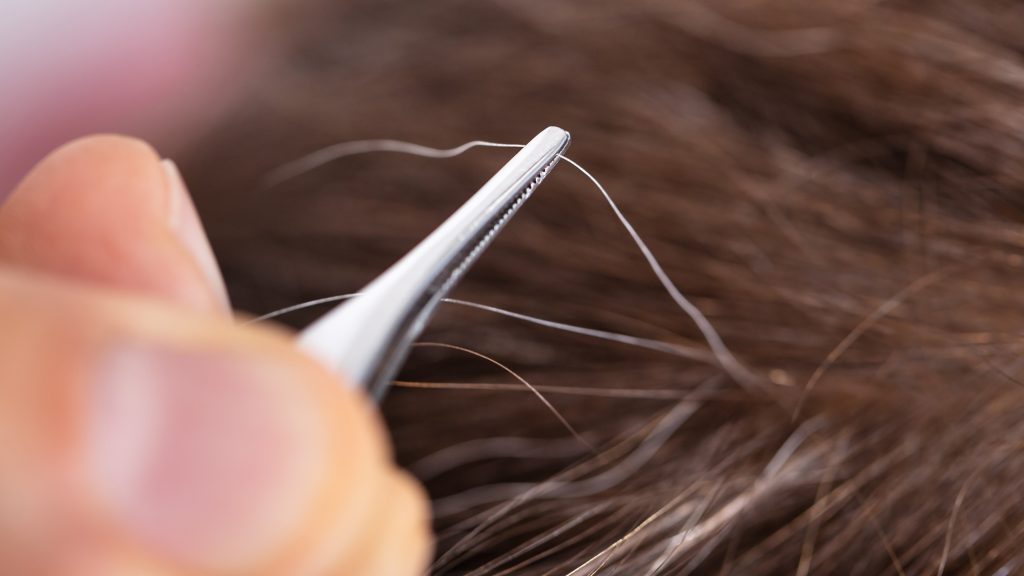
Pull out one grey hair and three more will grow back
Most of us have heard this warning at some point in our lives. The good news is that pulling out one grey hair will not suddenly trigger several more to appear in its place. Each hair follicle operates independently and produces a single strand of hair, so removing one cannot influence neighbouring follicles. Grey hair occurs when the pigment-producing cells within the follicle gradually stop creating melanin. Genetics are the primary factor determining when this process begins, although age and certain health factors can also play a role.
“While plucking a grey hair won’t create more, it’s not something I’d recommend,” explains Andrew. “Repeatedly pulling hairs out can damage the follicle, and potentially affect future hair growth. If grey hairs are becoming more noticeable then embrace them, enhancing them with colour, or speaking to a professional stylist about the best options available.”

Washing your hair every day causes hair loss
Many people become concerned when they notice hair strands in the shower, and automatically assume washing is causing their hair to fall out. In reality, what you’re usually seeing is part of the hair’s natural life cycle. Most people shed between 50 and 100 hairs every day. These hairs have already reached the end of their growth cycle and are simply being washed away.
“This is one of the biggest misconceptions I hear,” says Andrew. “The hair you’re seeing in the shower was already destined to shed. Washing simply helps remove it.”
The key is not how often you wash your hair, but whether you’re using the right products for your hair type and scalp condition. Healthy hair begins with a healthy scalp, and for many people, regular cleansing is essential for maintaining that balance.
Stress can turn your hair grey overnight
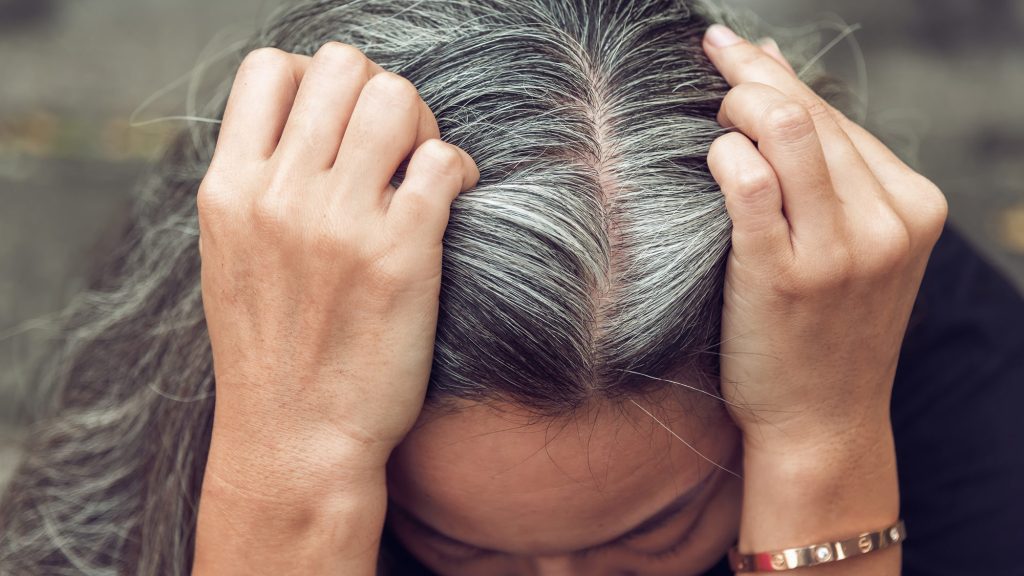
It’s a story we’ve all heard: someone experiences a traumatic event and suddenly wakes up completely grey. And while it makes for a dramatic tale, the reality is very different. Once a strand of hair has emerged from the scalp, its colour is fixed. Hair cannot suddenly lose pigment overnight. However, stress can still affect your hair in other ways. Prolonged periods of stress may contribute to premature ageing of the follicles, and can trigger increased hair shedding through conditions such as telogen effluvium.
“Stress absolutely impacts our overall wellbeing, including our hair health,” says Andrew. “But it won’t transform your colour overnight as some people believe. Managing stress, maintaining a healthy lifestyle and looking after your overall wellbeing can all contribute to healthier-looking hair in the long term.”

Expensive hair products are always better
It’s easy to assume that the most expensive products must deliver the best results. However, when it comes to haircare, price doesn’t always equal performance. Some premium products contain exceptional ingredients and advanced formulations, but others command high prices due to branding, packaging and marketing, rather than superior effectiveness.
“The best hair product isn’t necessarily the most expensive one,” explains Andrew. “It’s the one that’s right for your hair.”
Different hair types have very different needs. Fine hair, curly hair, colour-treated hair, and mature hair all require different approaches. Rather than focusing solely on price, consider ingredients, professional recommendations and your individual hair concerns. A carefully chosen affordable product can often outperform a luxury alternative if it’s better suited to your hair’s needs.
Visit Andrew’s Instagram pages @andrew_barton_hair and @andrewbarton.thehairexpert