
Cut down on drinking this summer – without missing out!
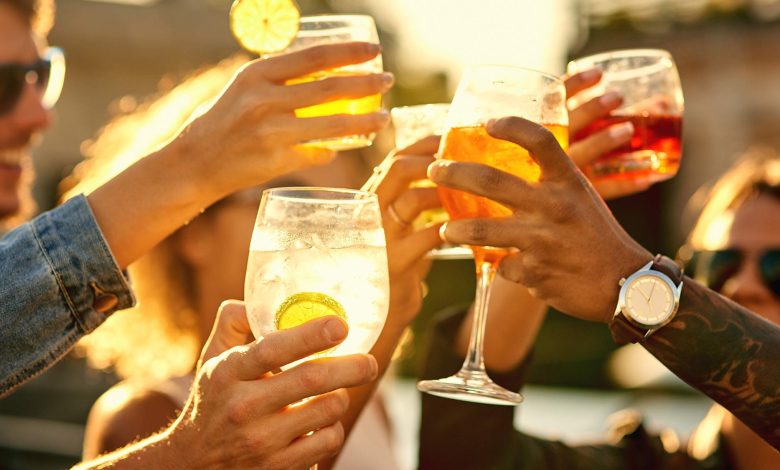
Sitting outside in the summer sun with a tipple sounds good to us – however, deceptively easy, fruit-flavoured beers could quietly inflate your units. Harvey Bhandhal, MD of the Sinclair Method UK, reveals five top tips on how to cut down without missing out.
With temperatures reaching record levels, we’re still in for a hot summer over the next few weeks. That means long evenings in the garden, pub terraces, and festivals – and this year many of those moments will come with a fruity twist. Blueberry, raspberry and citrus-infused beers and alcopops are the season’s biggest sellers. They’re refreshing, lower in ABV than some traditional options, and often taste more like juice than alcohol. And that’s precisely why they can be risky: because it’s then much easier to drink more than you intended.
Want to enjoy summer socialising without letting your drinking creep up? Here are five practical, evidence-informed steps to help you cut down, while still taking part in the fun.
1 Track every drink – not just the obvious ones
It’s easy to underestimate intake when drinks taste light and fruity. Start by tracking what you have for a week, noting the type, size and estimated units. Many people discover their “one or two” fruit beers add up over an afternoon. Tracking creates awareness and gives you a baseline, so you can set realistic limits for the rest of the summer. Use a note in your phone, a journal, or a drink-tracking app. Remember to include context (who you were with, where, and how you felt) so you can identify triggers such as heat, boredom or social pressure.
2 Treat fruity beers like alcoholic drinks, not soft
The brain uses taste cues to regulate consumption. When something tastes like a soft drink it’s tempting to treat it that way. Make a simple rule: fruity beers count as alcohol first. Use visible cues, sip water between drinks, choose smaller glasses or alternate with a non-alcoholic drink. These small rituals slow pace, reduce total consumption, and help your body register the alcohol you do have.

3 Plan ‘stop times’ and set rules
Long summer sessions are the setting where easy drinking turns into over-drinking. Before you head out, set a clear stop time (for example, “I’ll leave by 9pm”) or a limit on portions (“I’ll have two fruit beers, then switch to soft drinks”). Share the plan with a friend so they can help keep you accountable. When you decide the limit beforehand, you remove the moment-by-moment decision-making that often leads to one more.
4 Use tools that work with your social life
Complete abstinence isn’t the only path. Many people benefit from structured reduction. Medication-assisted approaches like the Sinclair Method (TMS) offer a different route: medication-assisted reduction using naltrexone to blunt alcohol’s reward response, paired with behavioural support. Over 90 clinical trials worldwide have shown this approach helps many reduce cravings and unlearn ingrained drinking patterns, while still participating in social drinking.
5 Build coping strategies you could encounter
Research shows many people drink to cope with stress or social anxiety. Identify the triggers that lead you to reach for a drink, whether its boredom, heat, peer pressure, or emotions – and plan alternatives. Non-alcoholic cocktails, distraction activities (such as games, music, or dancing) or brief breathing exercises can replace the automatic habit loop. Practising these alternatives in low-pressure settings makes them easier to use when it matters.

Quick practical swaps and tips
Choose lower-volume servings: opt for cans or smaller glasses rather than pints.
Pick festival-friendly strategies: decide on a daily cap before you buy any drinks.
Keep a visible reminder of your goal: (a note on your phone, or a photo) so temptation meets a prompt.
Enlist a friend: buddy systems work – agree to check in and support each other’s limits
A fruity final thought
Fruit beers are a brilliant summer innovation and very enjoyable when consumed responsibly and mindfully. But because they’re deceptively easy to drink, they create conditions where even well-intentioned social drinkers can overdo it. Fruity beers’ low ABV can be misleading. Lower percentage doesn’t mean safer if you drink larger volumes. The key issue is how palatable drinks affect the brain’s reward pathways: a sweet, juice-like beverage removes a sensory brake that would usually moderate intake. For people already drinking to relieve stress or manage mood, that removal can accelerate dependence. That’s why approaches that address brain reward – alongside behavioural changes – offer a realistic path back to balance.
When to seek professional support
If you find that rules and tracking aren’t working, or you’re worried about cravings, blackouts or increasing tolerance, it’s sensible to seek help. Reduction-focused treatments, including medication-assisted options supervised by clinicians, offer alternatives to total abstinence and can help you regain control while staying socially engaged. Whatever you do, please drink responsibly. www.sinclairmethoduk.com