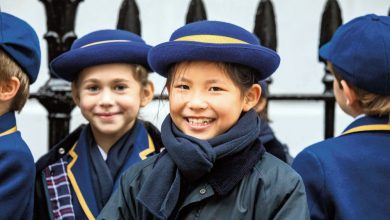

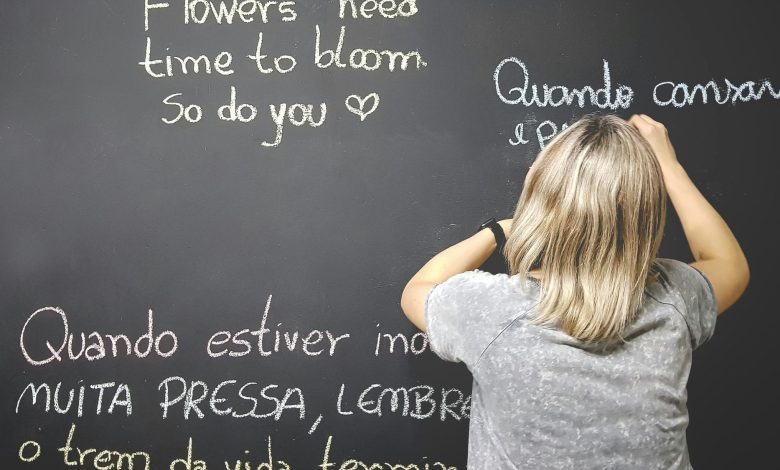
There are so many advantages of your child learning a language and knowing more than, ‘Bonjour’, ‘¡Hola!’ Or ‘Hallo’, explains Go Au Pair’s Devon Kaper.
It boosts cognitive development
Learning a second language strengthens the brain by challenging children to process multiple sounds, grammar rules, and meanings simultaneously. Studies show bilingual children often excel at problem-solving, multitasking, and memory exercises. Even simple activities, like learning to count in Spanish or following a French instruction game, can improve attention span and mental flexibility.
It enhances communication skills
Children exposed to multiple languages develop a deeper awareness of language structure and nuance, improving both verbal and non-verbal communication. They learn to listen carefully, interpret context, and adapt their speech for different situations. Even starting something as simple as practicing greetings in daily routines can build confidence in understanding tone and expression.
It encourages cultural awareness
Language is inseparable from culture. It introduces children to new customs, holidays, foods, and storytelling traditions. Examples include exploring Japanese festivals, or singing French nursery rhymes. These experiences help children appreciate diversity while connecting language to real-world activities.
It supports emotional growth
Navigating a second language can teach patience, persistence, and empathy. Children learn to express feelings when words are imperfect, and develop understanding for others trying to communicate in a new language. Practicing phrases for sharing, apologizing, or expressing excitement in another language reinforces emotional intelligence and self-expression.
It opens future opportunities
Early skills lay the groundwork for academic and professional advantages later in life. Whether reading Spanish storybooks, understanding Mandarin songs, or conversing with a German-speaking friend abroad, children gain confidence that can translate into success in school, travel, and global interactions.
How to support language learning at home
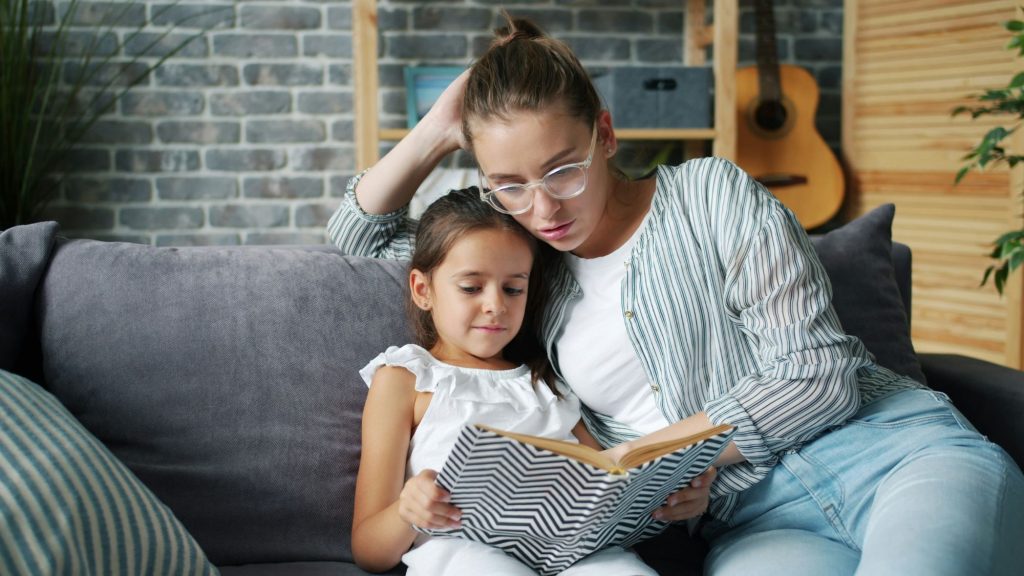
Bilingual story-time: Reading books in two languages helps children connect words to meaning while building listening skills and vocabulary. Pick stories with repetitive phrases or rhymes to make comprehension easier.
Songs and media in another language: Music, nursery rhymes, and short shows expose children to pronunciation, intonation, and cultural references while keeping learning fun and engaging.
Interactive play: Games, role-playing, or simple household tasks can include foreign words, turning routine moments into language practice without formal lessons.