

Loved the football? You might have loved it a little too much when it came to the calories you may have consumed, with the tightness of your clothes certainly not your friend now it’s all over. Why? Just take a look below.
During the UEFA Euro 2024, it was estimated that the average Brit drank eight pints daily, which amounts to 1,885 calories – or 0.24kg.
And now that the World Cup is all over (we oh-so-nearly made it!) us Brits could have drunk the average of eight pints per match, gaining 1.92kg across all eight matches, with 15,080 calories from beer alone. Meanwhile, if we took it up a notch to 10 pints a game, we could have consumed 18,848 calories, and gained 2.4kg. And even if someone were to drink just one beer per game across the matches to get to the final, they could have gained 0.24kg after consuming 1,885 calories.
But with over three-quarters of Brits having followed, listened to or watched the World Cup this year, many of us won’t have just watched England play. So, if you watched the 32 games in the knockout stages, you could have gained 7.78kg with 60,320 calories consumed! Even if one beer had been drunk at each match, that’s almost 1kg of weight gain. And although it would take over 9,360 minutes of viewing if one dedicated fan watched all 104 matches while drinking eight beers, they risked gaining a whopping 24.96kg with 196,040 calories consumed.
Alcohol’s ‘empty’ calories
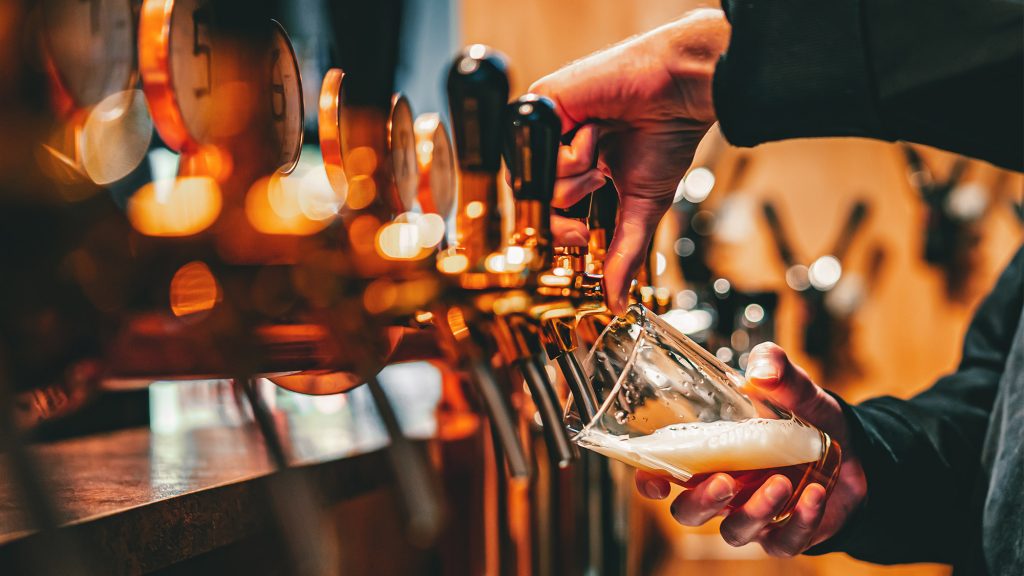
For better or worse, beer drinking is embedded in UK football culture, with 74.4% of supporters viewing drinking at matches acceptable. But in recent years, more football fans are turning to low-alcohol and alcohol-free options, which is having powerful effects on their physical and mental health. “Drinking alcohol means adding ‘empty calories’ (calories that don’t come with nutritional benefits) to your total intake,” explains Dr Kathryn Basford. “These extra calories are converted to fat and stored in the body, which leads to weight gain over time. When consuming these beverages becomes a habit, the risk of obesity and diabetes (type 2) increases. When you start metabolising (breaking down) the alcohol in your body through your liver, it stops releasing glucose. This can cause low blood sugar. High alcohol intake, especially on an empty stomach, lowers your blood sugar levels, causing you to feel lightheaded or dizzy, shaky, irritable, and tired.”
Alcohol in the summer heat
With heatwaves predicted to continue in the UK, and football fans have been lucky enough to attend the matches in America, Dr Kathryn also warns of the risks of drinking alcohol during hot weather. “The hot weather often comes hand-in-hand with alcohol as many Brits flock to beer gardens, beaches, and bottomless brunches as soon as the sun starts to shine. But there are heightened risks when drinking alcohol in the summer heat, including the increased risk of dehydration, with alcohol classed as a diuretic, which could lead to headaches, dizziness, and fatigue. There is a higher risk of heat exhaustion and heatstroke that is exacerbated by alcohol, which interferes with your body’s temperature regulation and increases fluid loss. Both alcohol and heat can put extra strain on your heart by causing a drop in blood pressure. You may also notice that in hotter weather you experience worse effects of alcohol and a faster intoxication with poor judgement, which could lead to dangerous behaviour including staying too long in the sun, skipping meals and hydration opportunities.”
Alcohol and weight loss jabs
A study has found that among a group of 962 individuals taking semaglutide or tirzepatide – the active ingredients in Wegovy and Mounjaro respectively – 71.7% noted a reduced desire to drink alcohol. However, if you do decide to drink, weight loss as a result of taking Mounjaro or Wegovy can cause a lower tolerance of alcohol. And while there is no reported specific interaction between weight loss medication and alcohol, ZAVA recommends you avoid drinking, as it can lead to low blood sugar-related side effects, an increase in appetite, and an increase in the number of empty calories you consume.
This feature was provided courtesy of weight loss specialists ZAVA.