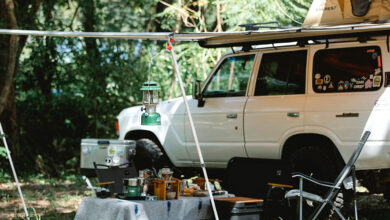

How to avoid the mistakes first-time campers make
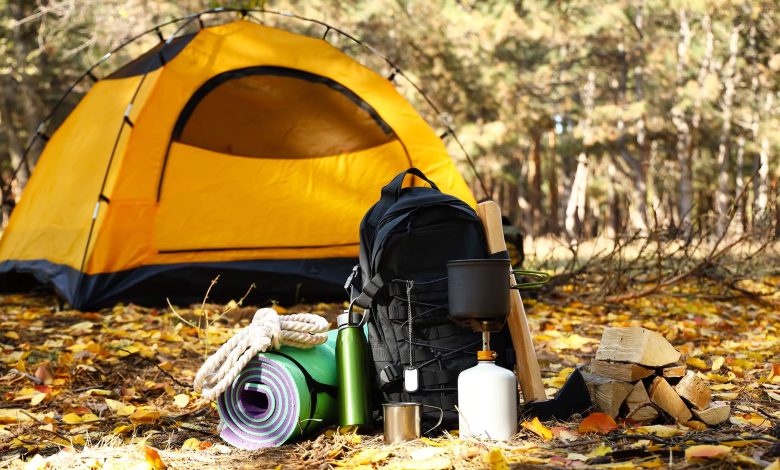
First time camper? Don’t get caught out with an error that could easily have been avoided, by following this advice from Michael Gaston from Cotswold Outdoor.
Camping for the first time should be exciting: a chance to get outdoors, switch off, and break away from the usual routine. But a few overlooked basics can quickly turn the experience into a frustrating one. Most first-time camping mistakes are not major disasters, but small, avoidable issues that build up over the course of a trip.
Treating camping gear as “plug and play”
One of the biggest mistakes first-time campers make is assuming new equipment will just work straight out of the bag. Tents, poles, and sleep systems often require some level of setup knowledge that is not obvious at first glance. A classic issue is arriving at a campsite and trying to assemble a tent for the first time, often in fading light or bad weather. What feels like a simple task at home becomes stressful outdoors.
How to avoid it
Always do a full “at-home test” before your trip. Pitch your tent in the garden or a park, inflate your mat, and set up your sleeping bag. This helps you understand how everything fits together and highlights missing pieces or faults early, not at 10pm in the rain.
Choosing a tent that’s too small
Tent sizing is one of the most misunderstood parts of camping. A “two-person” tent is not designed for comfort, it is designed for two people lying shoulder to shoulder with minimal extra space. This often leads to cramped conditions, nowhere to store bags, and a general feeling of being boxed in. The lack of space also means it’s harder to separate wet and dry clothing/equipment so everything ends up wet.
How to avoid it
Use the N+1 rule. If there are two of you, choose a three-person tent. If there are three people, consider a four-person tent. The extra space is not a luxury – it makes a huge difference to sleep quality and organisation inside the tent. Also consider how far you are carrying your gear. If weight matters, balance comfort with portability.
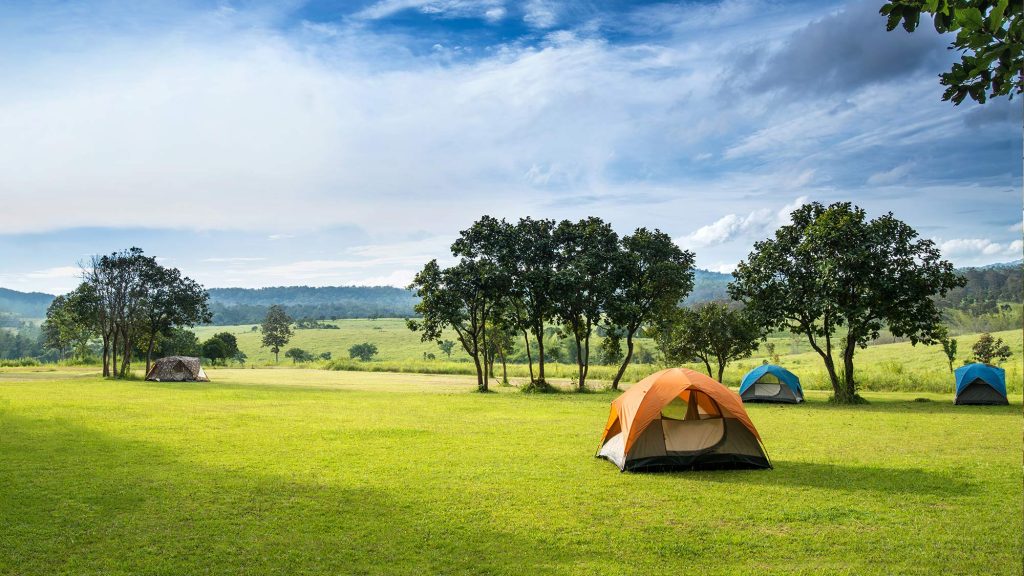
Underestimating condensation
Many first-time campers think their tent is leaking when they wake up to damp walls or a wet sleeping bag. In most cases, it is not rain getting in, but condensation building up overnight. This happens especially in single-skin tents or poorly ventilated setups.
How to avoid it
Choose a double-walled tent with an inner and outer layer. Keep ventilation points open where possible, even in cooler conditions. Understanding this issue in advance avoids unnecessary panic and gear blame.
Relying on a sleeping bag alone
A very common misconception is that a good sleeping bag is enough to keep you warm. In reality, most sleeping bag temperature ratings assume you are using an insulated sleeping mat underneath you. Without that barrier, the cold ground will pull heat away from your body all night.
How to avoid it
Think in terms of a sleep system, not just a bag. Pair your sleeping bag with a sleeping mat that has a decent R-value (around 4 is a good benchmark). Even budget combinations of bag plus mat will outperform an expensive bag used on its own. You should also invest in a liner for hygiene and added warmth.
Pitching in the wrong location
Where you pitch your tent has a bigger impact than most people expect. A poor spot can lead to water pooling, wind exposure, or even damage to your gear. Beginners often choose convenience over suitability, which can cause problems overnight.
How to avoid it
Look for flat, slightly elevated ground. Avoid dips or depressions where water could collect, and make sure your entrance is on the ‘lee’ side (out of the wind). Check above for loose branches, and be mindful of wind direction. If there is no wind when you arrive, look at trees or grass patterns to understand how air moves across the area.
Going to bed cold
One of the simplest but most overlooked mistakes is getting into your sleeping bag already cold. Your gear is working to maintain heat, not generate it.
How to avoid it
Warm up before getting into bed. A short walk or a few simple movements can help. Some campers also use a bottle filled with warm water placed inside the sleeping bag to create initial warmth. Small actions like this can completely change your night. www.cotswoldoutdoor.com