

Festival goer? Be sure to look after your ears

With major festivals ongoing, and tours from artists expected to draw huge crowds, it’s time to consider the ‘invisible damage’ loud live music can cause, even after just one event.
What is considered ‘damaging’?
“We generally consider 85 decibels (dB) the point where hearing damage can begin with prolonged exposure,” explains Arthur van Keeken of Alpine Hearing Protection. “At that level, which is roughly the equivalent to heavy city traffic or a noisy restaurant, regular exposure for over eight hours can start to cause harm. The invisible danger to your hearing quickly increases, because every increase of around 3 dB effectively doubles the sound energy reaching the ear, which means the ‘safe’ listening time drops dramatically. If you’re subjected to 110–120 dB, potential damage can occur in just a few minutes, or even sooner near speakers.”
What is the ‘invisible damage’?
“If your ears are ringing, buzzing, or sounds muffled after a concert, it’s not normal – it can be a sign of invisible hearing damage that has already taken place. Temporary symptoms often signal stress to the delicate hair cells in the inner ear, and once these are damaged, they don’t regenerate. Even if your hearing seems to ‘return to normal’, the cumulative impact can lead to permanent loss over time. With this in mind, here are four ways you can prevent invisible damage to yours this summer.”
Distance matters
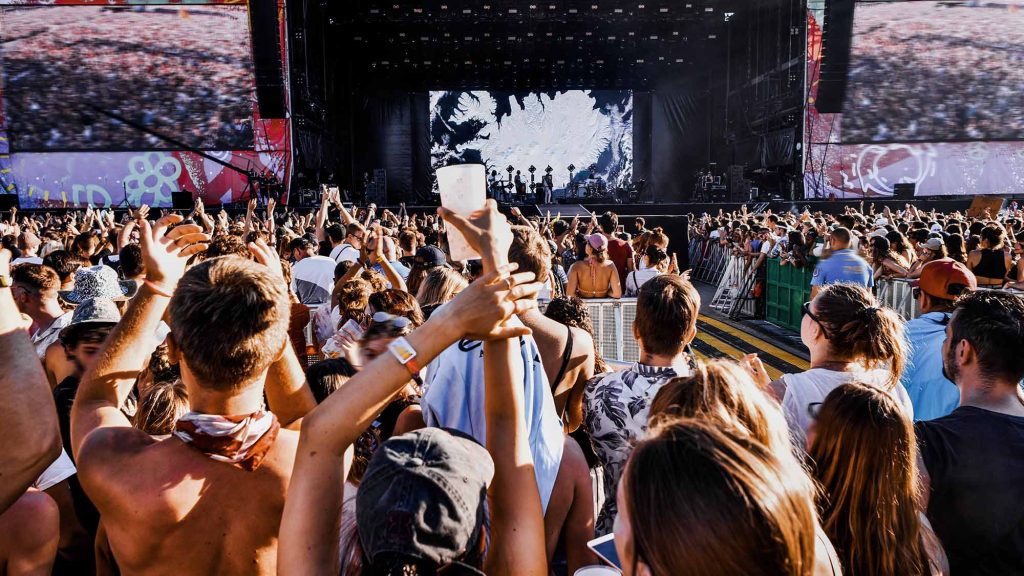
“Standing closer to speakers or directly in front of the stage dramatically increases your exposure to dangerous noise levels. Every few metres of distance can make a significant difference to how much sound energy reaches your ears. If you’re attending multiple events for the rest of the festival season, choosing a slightly less intense spot will help protect your hearing without affecting your enjoyment of the performance.”
Recovery time
“It’s important to give your ears recovery time between events. If you’re attending back-to-back festivals, gigs, and club nights can create repeated stress on your auditory system. Your ears need recovery time after prolonged loud noise exposure, just like muscles after exercise. Build in quieter days between events, and avoiding blasting headphones on the journey home, which only adds to the strain.”
Don’t ignore your body
“We often see a lot of people seek help too late because hearing damage is gradual. Persistent ringing (tinnitus), needing people to repeat themselves, struggling to follow conversations in busy places, or feeling unusually sensitive to sound, can all be early red flags. The sooner these signs are recognised, the better the chance of preventing further deterioration.”
Invest in your ear health
“With today’s ticket prices, fans are spending a lot more to see their favourite artists and aren’t thinking about the long-term impact loud music can have. Makeshift solutions like tissue paper, cotton wool, or standard foam plugs can distort sound – and not necessarily protect hearing effectively. Instead choose earplugs that are not only designed for festivals, but that have an advanced music filter that reduces volume evenly across all frequencies, while keeping music clear and speech easy to hear.” www.alphinehearingprotection.com