


Bank balance getting you down? You’re not alone. Here’s how you can work towards getting your finances back on track, with tips from short-term direct loan supplier Moneyboat.
Here’s a statistic you may not realise: one in six adults have no savings at all, and many have little financial breathing room. In the same boat? Here’s five ways you can start building a savings pot in 30 days.
Ring-fence a portion of your income
A short-term emergency fund doesn’t need to be large to be effective. Setting aside even a modest amount can help cover unexpected bills, avoid borrowing for essentials, and provide a sense of security. One starting point is to set a fixed amount (however small) at the start of the month or payday. This can involve moving money to a separate savings ‘pot’ or bank space, treating savings like any other bill. You can also automate transfers so the money is saved before it can be spent. Even £1–£5 per day can create a meaningful pot over 30 days.
Apply the 50-30-20 rule
The 50-30-20 rule is a simple structure that can help free up room for emergency savings. Fifty per cent of your income should be allocated for your needs, 30% for wants, and 20% for savings or debts. Using this structure for just one month can help identify spare funds and tighten discretionary spending. And even if the full 20% isn’t possible, using the rule as a benchmark helps guide more mindful financial decisions.
Cut or pause discretionary expenses
Small, temporary changes can quickly build up. For 30 days, why not pause subscriptions that are rarely used, switch premium services to lower-cost or free alternatives, reduce takeaways or spontaneous purchases, or review travel, food, and entertainment costs for quick wins. Focusing on just two or three easy-to-trim categories can unlock funds without feeling overwhelming.
Plan ahead for expected costs
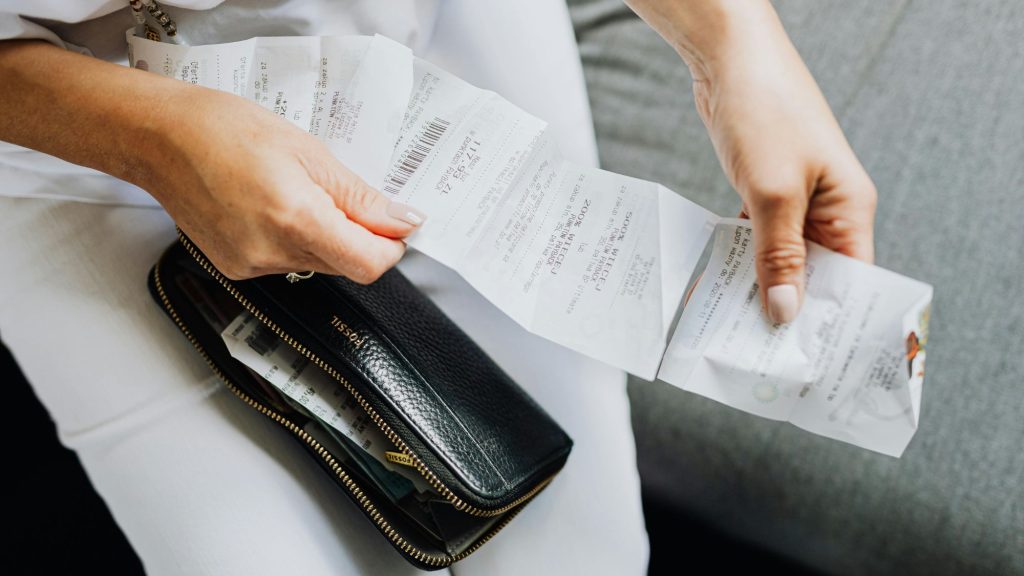
Many of us struggle because we don’t prepare for known upcoming expenses. Creating a simple 30-day plan helps toanticipate costs such as birthdays, travel, or bills, spread expenses across the month, and prevent surprise costs from eating into savings. This planning approach makes room for an emergency pot by reducing unplanned spending.
Reduce general household costs where possible
Small, practical reductions can add up within a month. For example, think switching to supermarket own-brand items, use price comparison tools, batch cook to avoid food waste, lower energy usage with simple habit changes and take advantage of free or low-cost activities rather than paid options. The goal is not to cut everything, but to identify a few realistic areas where costs can be reduced and redirected into the emergency fund.