

Neighbour disputes that could cost you thousands
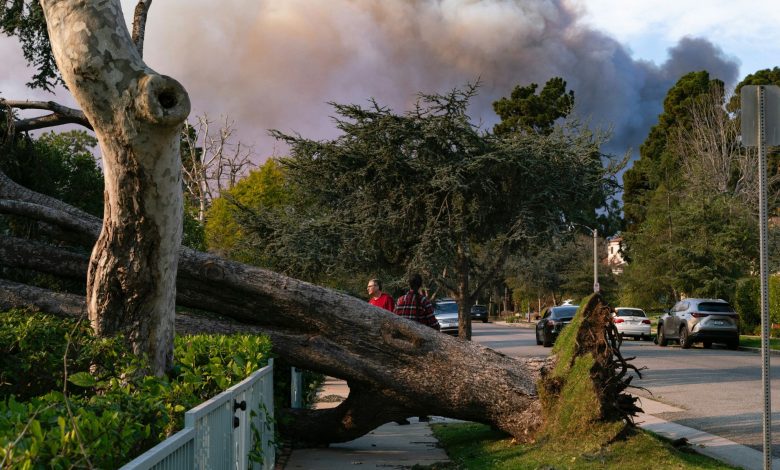
From noise complaints to overhanging trees, neighbour disputes are common so how can you avoid them? Uswitch Insurance Expert Leoni Moninska has the following advice.
Ninety per cent of Brits have had issues with a neighbour in the past 18 months, with the colder months bringing with it burst pipes, heating fires, and storm damage — turning minor disagreements into pricey repairs. Don’t let this cost you thousands — here are the costliest neighbour-related damages and how you could potentially avoid having to fork out for anything in the first place.
Fire damage
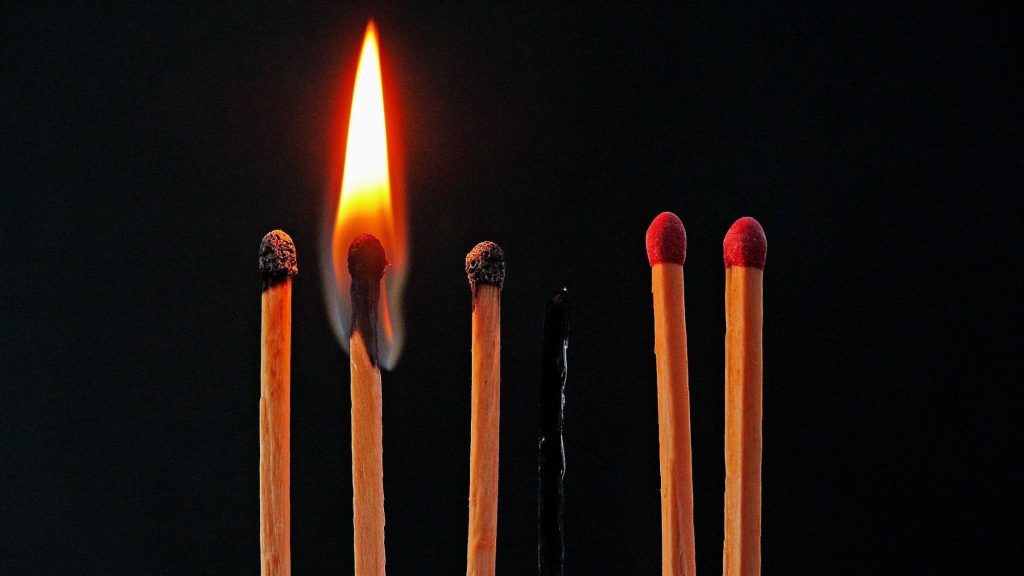
Fires originating from a neighbour’s property are more common in winter, when households rely on heaters, candles, and other temporary heating solutions. Such fires can cause extensive damage, with the average cost for fire damage restoration in the UK ranging from £8,000 to £18,000, and more severe cases potentially exceeding this. “It’s important to make sure your home insurance policy covers fire damage, including incidents that start in a neighbour’s property,” says Leoni. “Adding accidental damage cover can provide extra protection and peace of mind, especially if you live in attached homes or flats where a fire could easily spread from adjoining properties. If you’re unsure of what your policy does or doesn’t cover, check your contract or speak to your provider.”
Japanese knotweed
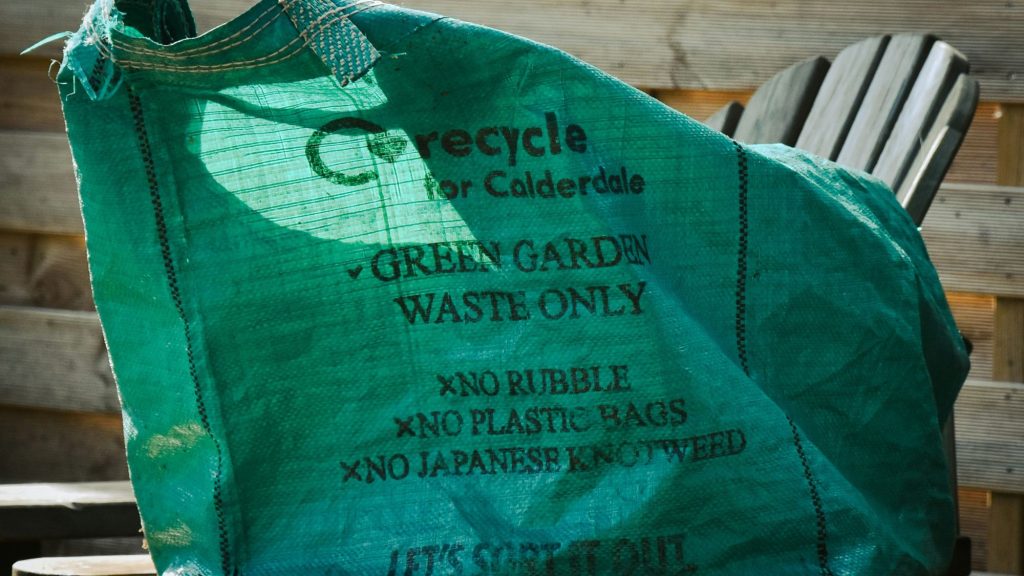
This invasive plant can cause significant structural damage to properties. Removal costs vary but can be substantial, especially if excavation is required. The cost of Japanese knotweed removal typically ranges from £7,000 to £15,000, depending on the extent of the infestation. “Japanese knotweed is a serious issue that can cause long-term structural problems if left untreated. Regularly check your garden and neighbouring areas for early signs, and act quickly if you spot it. Early detection can make removal far easier and less costly, and it can prevent disputes over damage between neighbours.”
Fallen trees
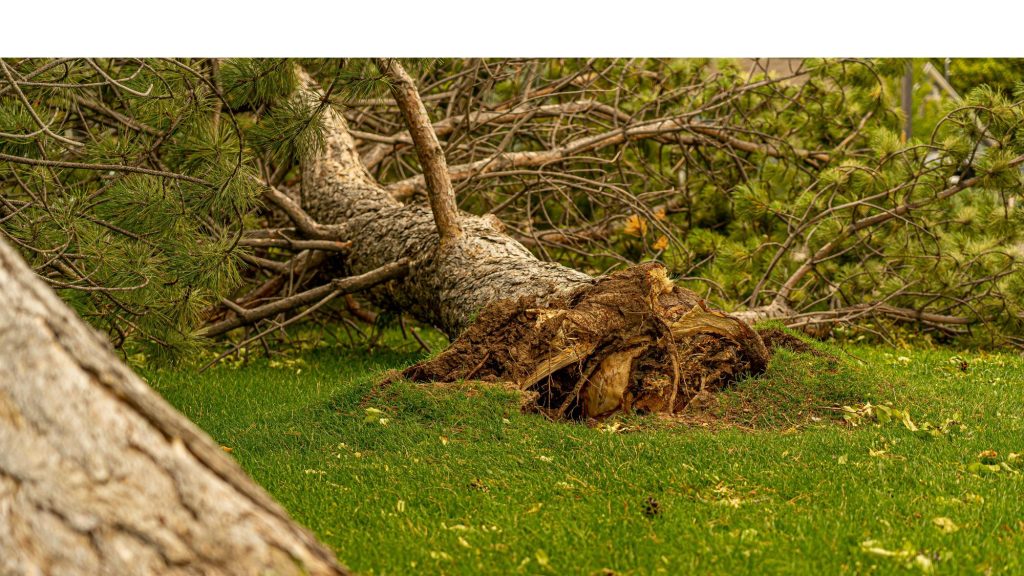
Neglected trees on a neighbour’s property can fall and cause damage to your home. The cost of removing a fallen tree can range from £700 to £2,500, depending on the tree’s size and location, so regularly inspect trees near property boundaries to mitigate potential risks. “Trees can look healthy but still pose a risk, especially during storms or high winds. Maintaining good communication with neighbours about tree maintenance is crucial. If a tree seems unsafe, consider getting a professional assessment to prevent it from falling and causing damage to your property or theirs.”
Water damage
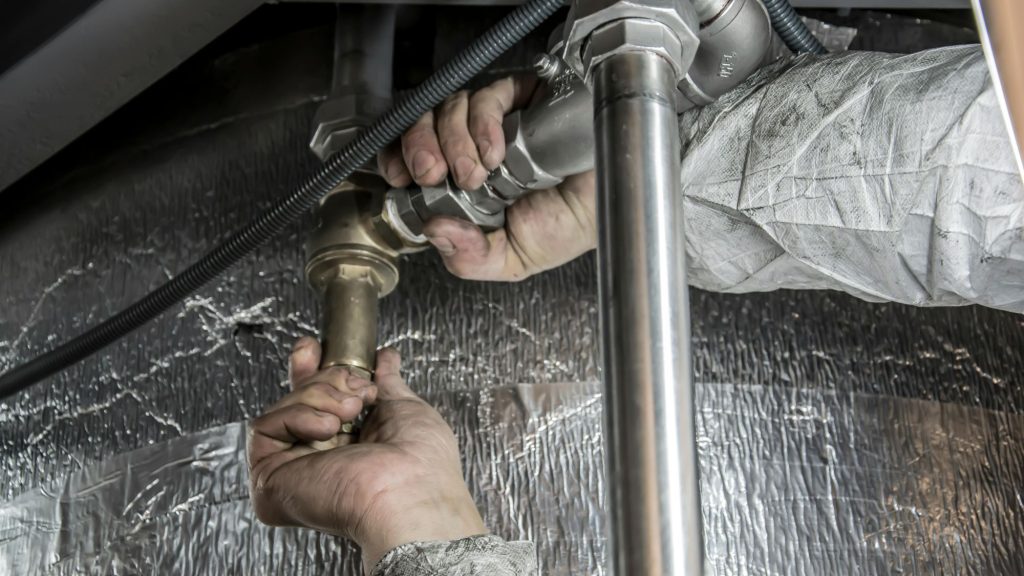
Leaks from an upper flat can lead to ceiling water damage, with repair costs for such damages typically costing £2,000. It’s therefore advisable to maintain open communication with neighbours living above to address any plumbing issues promptly. “Water damage is one of the most common sources of neighbour disputes. Installing leak detectors in your home can catch problems early, and discussing plumbing or roof issues with neighbours can prevent minor leaks from becoming major repair jobs. Early action can save significant stress and expense.”
Shed damage
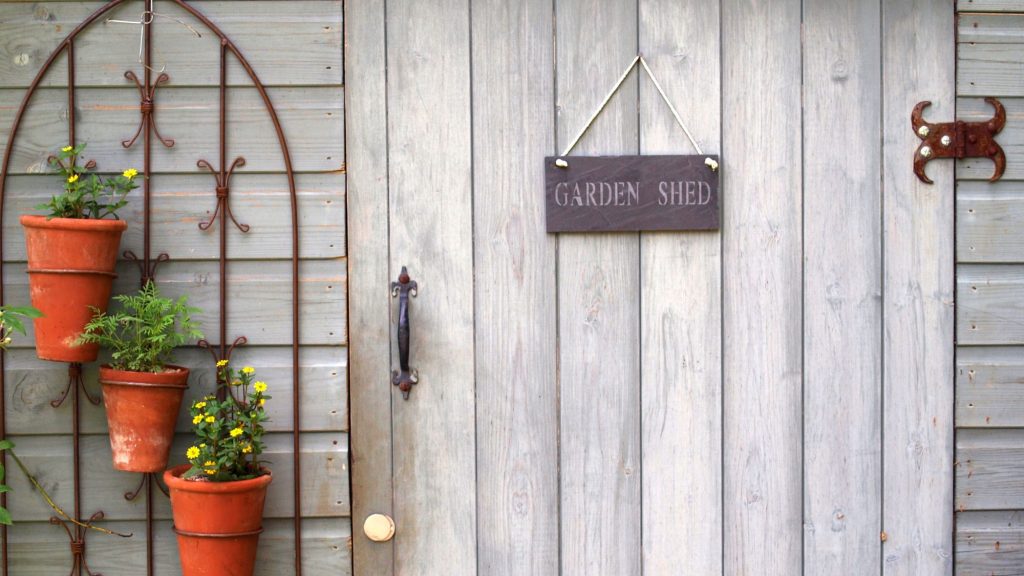
Outdoor fires, bonfires, and even faulty outdoor heaters can pose a risk to nearby fences, sheds, or garden structures, particularly during the colder months when people use them for warmth or seasonal gatherings. Repairing damage to a fence or outbuilding can cost up to £180 per metre, depending on the materials and extent of the damage. “Even in colder months, accidental fires from outdoor heaters, chimineas, or bonfires can cause unexpected damage. Always use these safely and well away from boundaries, and make sure you have the right home insurance in place to cover accidental fire damage to external structures like fences or sheds.”
Window damage
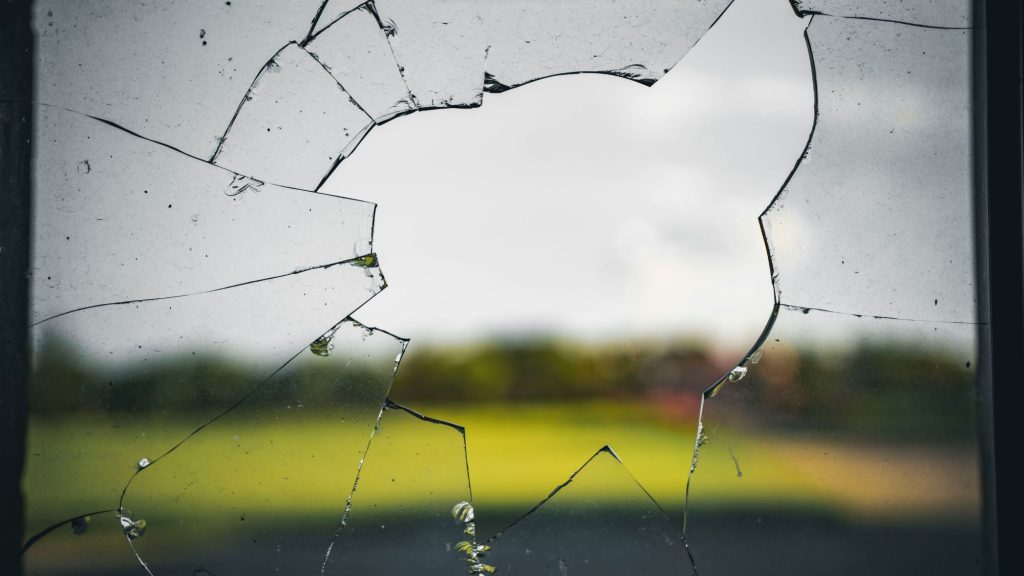
Accidental impacts, such as a neighbour’s football breaking a window, can obviously lead to money being spent. The average cost for window repairs in the UK typically ranges from £30 for minor fixes to £1,500 for more extensive damage, depending on the type and size of the window. “Even seemingly minor incidents like this can cause tension. Discuss potential risks with your neighbours, and consider practical solutions like installing protective barriers or agreeing on safe play areas. Small preventative steps can avoid accidents and costly claims.”
Steps to take if neighbour-caused damage occurs
Assess the damage
Document the situation thoroughly with detailed photographs and written notes. Include dates, times, and damage descriptions to create a clear and accurate record that can support any claim or discussion with your neighbour.
Communicate with your neighbour
Approach the conversation calmly and respectfully. Many disputes can be resolved amicably without involving insurers or legal action if both parties communicate openly and constructively.
Review your insurance policy
Check your home insurance carefully to understand what is covered, including accidental damage and neighbour-related incidents. Pay attention to any exclusions or limits that might apply.
File a claim
If the damage is covered, submit a claim with all supporting documentation, such as photographs, repair quotes, and neighbour correspondence. Clear evidence can speed up the process and increase the likelihood of a successful outcome.
Seek legal advice
If your neighbour disputes liability or the damage is significant, consult a legal professional. Expert advice can clarify your rights, outline your options, and help you avoid unnecessary conflict.