


Waistline not as it was after all those summer BBQs and drinking in pub beer gardens? These go-to diet staples could be sabotaging your progress.
As more people turn to high-protein snacks, low-calorie foods and diet staples in a bid to slim down after summer’s excess, certain popular choices may be harder for the body to tolerate than people realise, with many mistaking bloating caused by certain foods for weight gain – or assume it is simply normal digestion. “Just because a food is marketed as healthy or slimming does not necessarily mean it suits everyone’s digestive system,” explains Supply Life’s Oliver Goble. “Some foods can trigger bloating, gas and discomfort, particularly when eaten frequently or in large amounts.”

Protein bars
Protein bars are often marketed as a convenient weight-loss snack, but many contain ingredients that can be difficult to digest. “A lot of protein bars contain sugar alcohols, artificial sweeteners or highly processed protein sources that can ferment in the gut. That can lead to significant bloating in some people. Certain ingredients such as pea protein and chicory root fibre can also be common triggers.”
Salads and raw vegetables
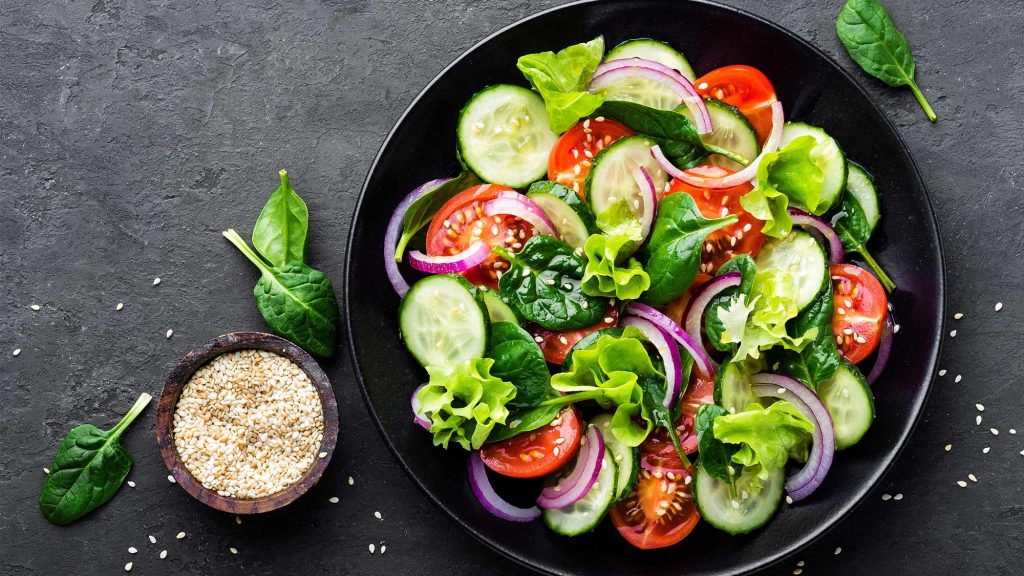
Large salads are often seen as the ultimate diet food, but raw vegetables can sometimes overwhelm the digestive system, particularly when eaten in high volumes. “Foods like raw onions, broccoli and large amounts of leafy greens can be surprisingly difficult for some people to break down. While nutritious, they can lead to bloating and trapped gas, especially if gut health is already sensitive. This is one reason some people feel more bloated after eating a ‘healthy’ lunch than a cooked meal.”
Oat-based breakfasts
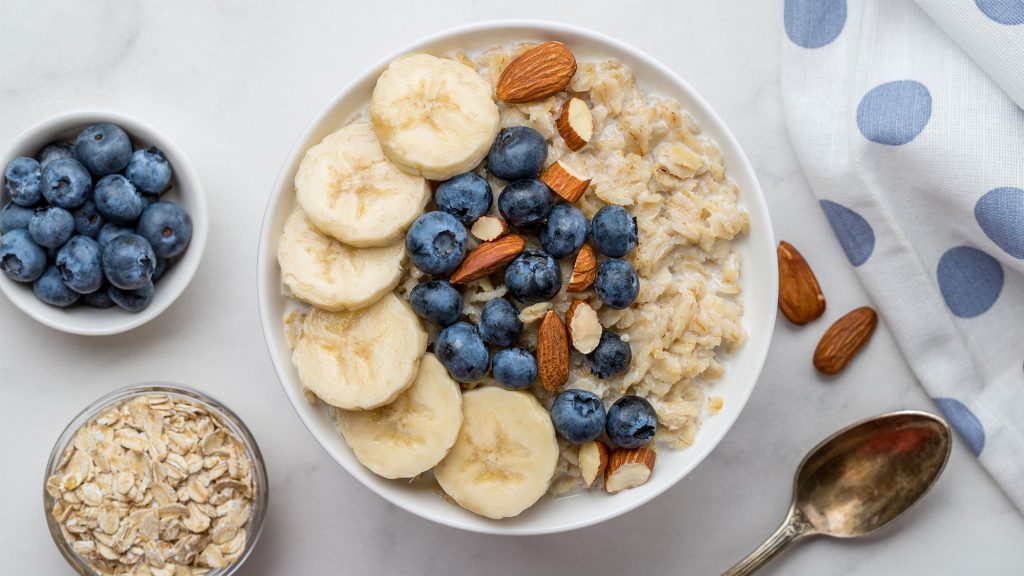
Porridge and overnight oats are hugely popular with people trying to lose weight, but oats can also cause digestive issues for certain people. “Oats contain fibres and compounds that some people struggle to tolerate well, particularly if they are eating them daily. This can contribute to bloating, fullness and discomfort that lasts throughout the day. Eating very fibre-heavy breakfasts too quickly can also make symptoms worse.”
Identifying trigger foods
Many people trying to lose weight focus heavily on calories without paying attention to how foods make them feel physically. “People often assume bloating is something they have to live with. But in many cases, it can improve significantly once trigger foods are identified. The goal is not to unnecessarily cut out healthy foods, but to better understand individual tolerance levels. All in all, the healthiest diet is one your body can actually tolerate and function well on.” www.supplylife.com