

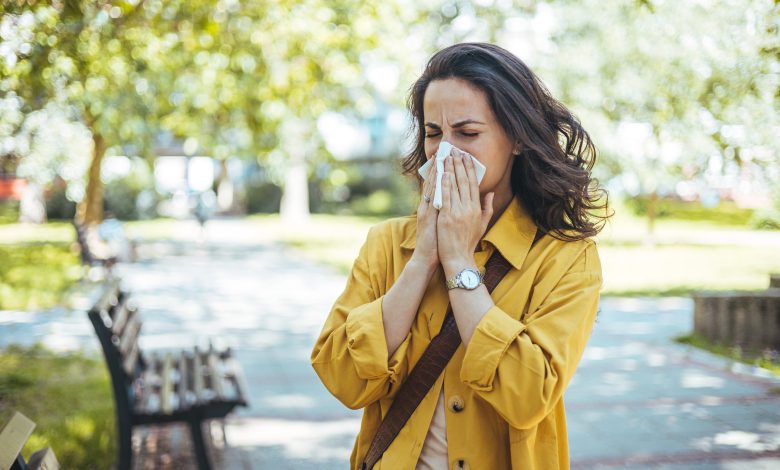
Hay fever at its peak from now until September. Suffering? Here’s some more unusual ways to reduce those symptoms.
Roughly one in four people in the UK suffer from hay fever. Antihistamines and nasal sprays only go so far, so it’s time to looking for anything else that might help. Over to registered NHS GP Dr Asimah Hanif, working with Staysure, to share the less obvious things that actually work. Some of them are stranger than you’d expect.
Smear Vaseline around your nostrils
It sounds like the kind of thing your nan would suggest, but there’s a solid reason it works. A thin layer of petroleum jelly around the entrance to your nostrils physically traps pollen before it gets the chance to enter your airways and trigger a reaction. “It’s a simple barrier method, but it can be surprisingly effective, especially if you’re heading outside on a high-pollen day,” says Dr Asimah. “The NHS recommends it for a reason. Just apply a small amount to the rim of each nostril before going out, and wipe and reapply when you come back in.”
Eat more onions
Red onions, capers, apples, and berries are among the richest dietary sources of quercetin, a naturally occurring plant flavonoid that’s been shown to inhibit the release of histamine from mast cells. That’s the very mechanism that causes your hay fever symptoms. “Quercetin works a bit like a natural antihistamine. It doesn’t act as quickly as medication, and the evidence is stronger in lab settings than in clinical trials, but there’s a real biological reason why people who eat a diet rich in these foods might find their symptoms more manageable. If you’re already reaching for onions and berries regularly, keep it up.”
Capers, oddly, have one of the highest quercetin concentrations of any food, far exceeding red onions. Worth knowing if you’re building a Niçoise salad this summer.

Avoid smoke where you can
Fire pits, barbecues, and smoking areas are all worth sidestepping if your symptoms are bad. Smoke irritates the nasal passages and respiratory system independently of pollen, and the two together are a miserable combination. “Smoke makes it harder for your airways to cope with pollen. It doesn’t cause hay fever, but it significantly lowers your threshold for symptoms. On high-pollen days especially, it’s worth giving bonfires and barbecues a wide berth.”
Check pollen forecasts before booking your summer holiday
You might assume leaving the UK means escaping hay fever, but different countries have different pollen profiles. Research showed that Zurich topped the list for early summer, while Milan and Copenhagen recorded the highest pollen counts across most months of the year. Coastal regions and certain islands like the Canaries typically offer lower pollen counts compared to inland areas. “People are surprised to find their symptoms are worse on holiday than at home. It’s not just about pollen – you’re also being exposed to plant species you’ve never encountered before.”

Cut back on alcohol
Not what anyone wants to hear during barbecue season, but beer, wine and spirits all contain histamine, the same chemical your body produces during an allergic reaction. Drinking raises your baseline histamine load and makes you more sensitive to pollen. “Alcohol can genuinely worsen hay fever symptoms. It also dehydrates you, which compounds things further. If you do drink, stay well hydrated alongside it, and consider taking an antihistamine beforehand on high-pollen days.”
Get a pollen filter for your car
A cabin filter fitted to your car’s air vents traps pollen before it circulates inside the vehicle. It’s a small, inexpensive fix that most people haven’t thought about. “A lot of hay fever sufferers don’t realise how much exposure they’re getting just from driving. A pollen filter can make a real difference, particularly for commuters or anyone spending long periods in the car during peak season.”
A final word of warning
While you generally won’t face a premium increase on your travel insurance for hay fever alone, if you have asthma as well as hay fever this may trigger or worsen asthma, which can be difficult to manage and something your insurer should know about. As Dr Hanif says “If hay fever is affecting your asthma, making symptoms more frequent, or harder to control, you’ll want to check your travel insurance just in case. Medical travel insurance exists precisely for situations like this, and not declaring the conditions you live with and manage on a daily basis can make an enormous difference if you need medical treatment for a flair up while you’re away. Medical costs abroad can soon add up even if you just visit a medical centre and need a prescription, so having the financial protection in your policy is reassuring”.