

Back-to-school mistakes that spread illness
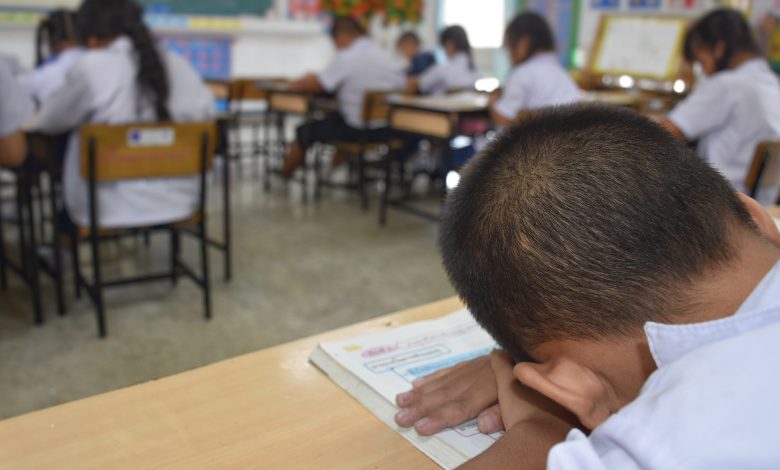
With research revealing 18.4% of students missed more than 10 days of school in 2024/2025, knowing when your child’s well enough to go back is an important decision to make.
From sending children back while they’re still contagious, to using medication to mask a fever, these well-intentioned decisions can increase the risk of classmates, teachers, and other school staff becoming ill during one of the busiest times of the year. Here, registered nurse Miranda Belcher, explains the five biggest back-to-school mistakes parents make.
1 Sending children back before they’re no longer contagious
“I completely understand the pressure parents feel to get back into a routine, but sending a child back just one day too early can result in several more children becoming ill. Waiting until they’re genuinely ready often prevents much bigger disruptions later.”
2 Masking a fever with medication
“Fever-reducing medication should be used to help your child feel comfortable, not to help them get through a school day. If medication is the only reason they’re able to attend school, they probably need another day at home.”
3 Not informing the school
“Keeping the school informed about contagious illnesses allows staff to track outbreaks, monitor patterns and inform families if multiple children become ill. That communication plays an important role in preventing larger outbreaks.”
4 Forgetting medications and emergency information
“The beginning of the school year is a great time to double-check that inhalers, EpiPens, daily medications and emergency contacts are all up to date. It only takes a few minutes but makes a huge difference if your child becomes unwell at school.”
5 Expecting antibiotics for every cough
“Many of the illnesses children pick up after returning to school are caused by viruses, and antibiotics do not work against viral infections. Taking antibiotics when they aren’t needed won’t help your child’s recovery – and contributes to antibiotic resistance.”
Why illnesses spread so quickly when school starts
“The first few weeks of the school year are always incredibly busy because children are coming back together after spending the summer apart, bringing viruses from different households into one place. Classrooms, canteens, and school buses allow germs to spread quickly, particularly among younger children. Parents naturally don’t want their child to miss school, but sending them back before they’re fully recovered can lead to more children becoming ill, creating disruption for families and schools.”

The illnesses children should stay home with
Some illnesses are far more likely to spread through schools than others, making it important for children to stay home until they’re no longer contagious.
Vomiting and diarrhoea: stomach bugs spread rapidly through classrooms and shared bathrooms, with viruses able to linger on surfaces.
Fever: a fever is often a sign of the body fighting an infection, even if medication temporarily brings the temperature down.
Strep throat: children should stay at home until they’ve been taking antibiotics for at least 24 hours.
Hand, foot and mouth disease: particularly common among younger children, this illness spreads easily through close contact and shared surfaces.
When children can still attend school
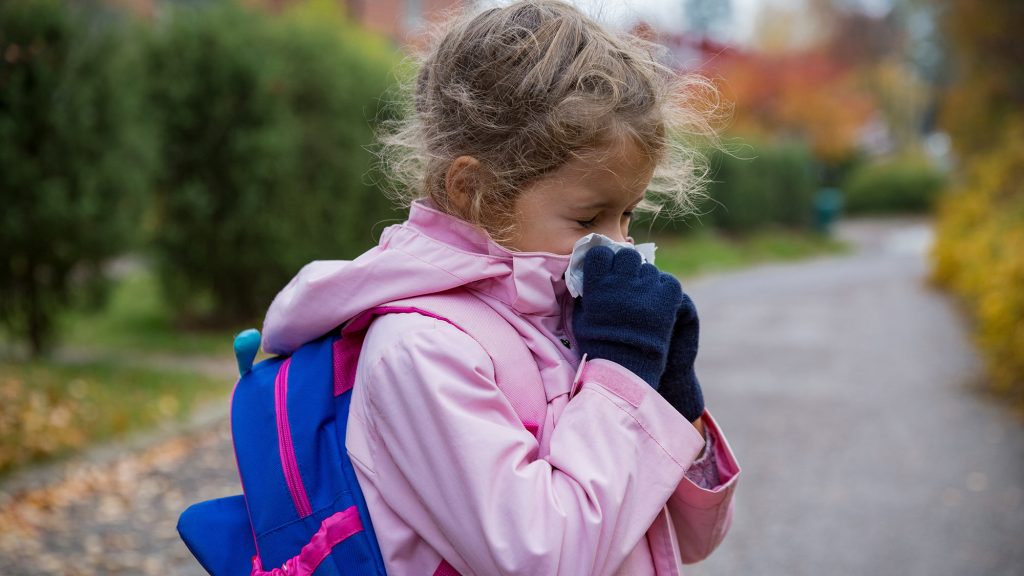
While some illnesses require children to stay home, while others can usually be managed without missing school, including:
A mild cold without a fever
Seasonal allergies
A lingering post-viral cough
Non-contagious skin rashes
“Parents sometimes keep children home because they don’t want to take any chances, but not every sniffle or skin condition is contagious. Knowing the difference helps reduce unnecessary absences while still protecting other students from genuine infectious illnesses.” www.nursa.com