

Your countdown to a debt-free Christmas

It may be scorching outside, but savvy spenders are already planning for a festive season that is organised, affordable and debt-free. Start a few simple jobs now and your bank balance will jingle all the way to December.
The typical British household is set to spend around £819 on Christmas this year*, and with just five months to go, now is the perfect time to start planning to ease financial stress, prevent last-minute overspending, and help you sidestep the usual Christmas chaos. Let the countdown begin.

July: be a summer saver
You should start saving for Christmas when the mercury is rising. Begin by setting realistic budget, factoring in gifts, food, decorations and travel. Work out what you usually spend in each area. For example, if Christmas normally costs around £800 in total, you will need to save £160 a month to cover costs. The simplest way to do this is to set up an automatic transfer each payday into a dedicated savings account. Even £10 a week will make a welcome difference to your funds by December.

August: bag cheap travel
When most are hunting down summer flights and package holidays, the real bargain hunters are snapping up cheap Christmas travel and accommodation before seasonal price spikes. Spending Chrimbo overseas? Typically, savvy shoppers can expect to save up to 20% on flights and up to 25% on accommodation if they book in July, with Expedia’s 2026 Air Hacks* revealing this month to be a particular sweet spot for winter travel deals.
September: sort presents and cards
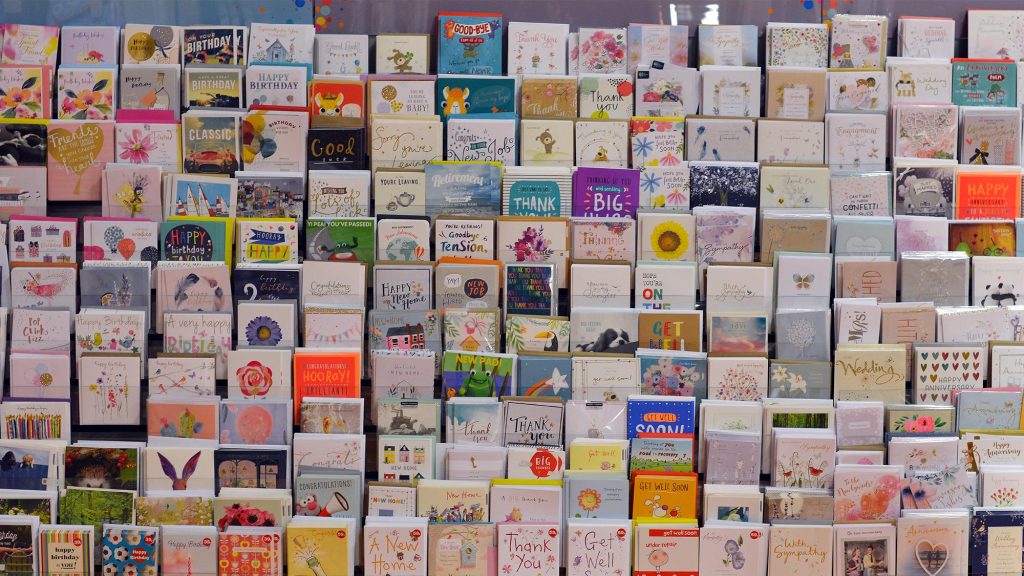
Ward off last-minute madness by brainstorming what you would like to give friends and family. Slash costs by agreeing to buy only for children in the family, or organise a Secret Santa as a fun alternative. Once you have a list, check out the summer sales. As they say, the early bird catches the bargain.
For cards, search online for clearance deals. The super-thrifty stockpile boxes in the January sales – but you can still grab your season’s greetings for pennies by taking advantage of off-season deals. Or get crafty, putting small hands to work with glitter, potato-stamps and paints.
October: stock up early
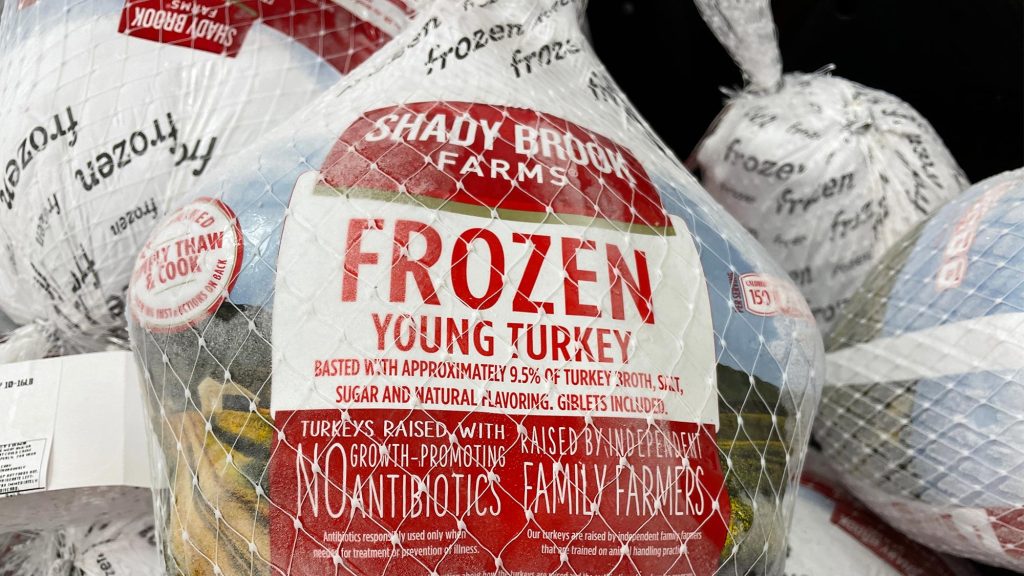
Tempting Christmas items start flooding supermarkets in October, so buy a few items now to ease your December spending. If it is your turn to host, confirm guest numbers and plan your menu. Pick up long-lasting ingredients and drinks as and when they are on offer. You could even buy a frozen turkey – or cheaper still, chicken – ready for the big day. Frozen birds can be 50% cheaper than fresh, especially when buying before the gobble season.
Plan to do a little baking before the big day? Late-October is also a good time to make your Christmas cake. This will allow the flavours to deepen – and knock yet another ‘must-do’ off your Christmas list.

November: assess decorations and finish shopping.
As Christmas draws closer, resist panic-buying even more presents by going through your list and checking what you have already bought. Anything missing can be picked up in Black Friday offers, and remember charity shops can be treasure troves for gift ideas too!
And before you plump for an entirely new colour scheme for your decorations? Get out what you already have and see what needs to be repaired or refreshed. A coat of paint and fresh greenery can work wonders – and not only is buying less better for the environment, but it is also better for your festive finances too.
December: shop around and relax.
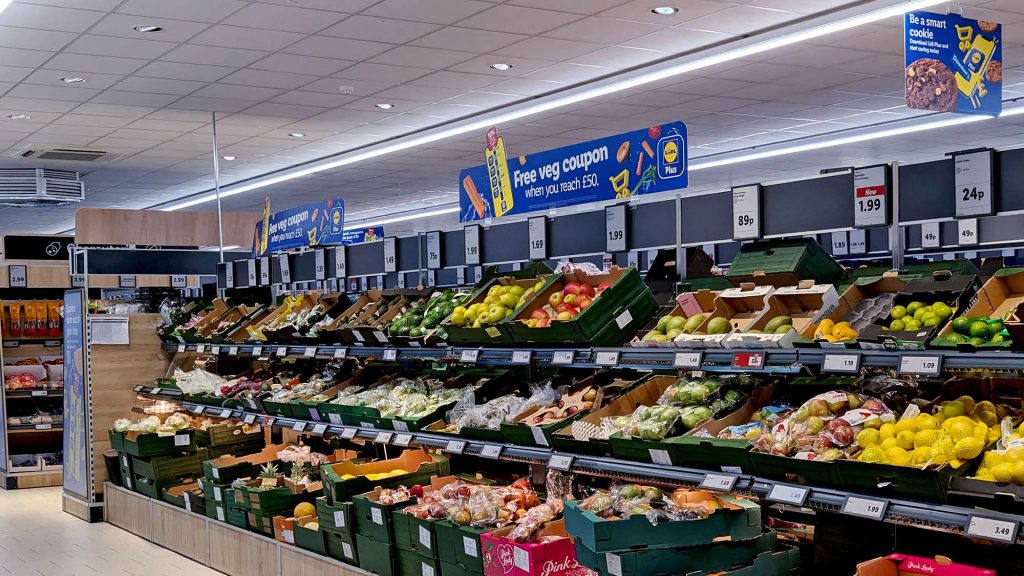
And when December finally arrives? Hopefully you can enjoy the season without worrying about shopping or scrambling for ways to pay for it. The supermarkets will be full of tempting offers, but vow to shop only for what is on your shopping list, and don’t buy everything in one place. Supermarkets have 101 clever ways to get us to do our ‘big shop’ with them but compare prices before you go and remember that the store with 8p vegetables have probably hiked prices on other items in your festive feast. The scrupulous shopper shops around. Here’s to a happy, debt-free 2026 Christmas.
SOURCE:
https://www.nimblefins.co.uk/average-christmas-spending-uk#2026
https://www.expedia.com/see/airhacks?msockid=1f08e59b93826bb23379f2b892cc6ab2