

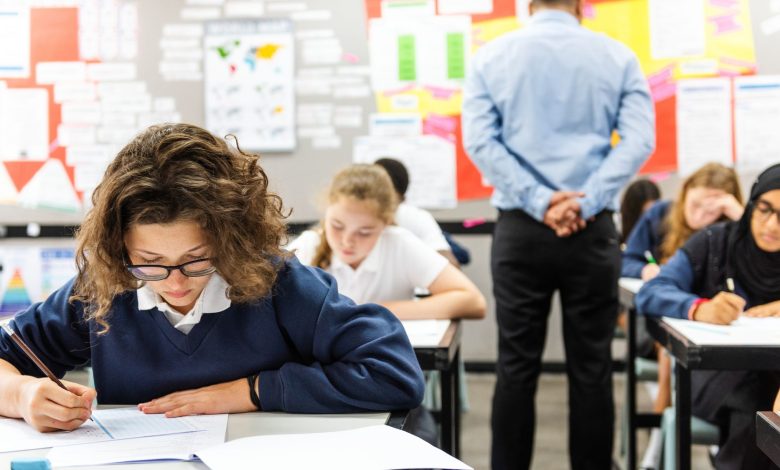
With GCSE exams starting in May, kids are currently nose-deep in revision. Or so parents hope. It’s an incredibly stressful time for teens, but you can help them get through it. How? With love, support – and a concrete revision plan.
Even if you’re not one for routines, it makes sense for your child to have a consistent study programme. That’s not just how often they revise, but for how long and when. What’s more, incorporating efficiency hacks makes the whole experience less of a challenge. Think regular breaks, flash cards, food, goals, and yes, rewards.
Break down the load
Deciding on a revision plan is the first step. Create a timetable including exam subjects and dates, then work backwards. Allow plenty of time for each subject. Starting well in advance is key, but even if they’ve left it late, knowing what’s coming up when and where, can create a structure to work within.
Don’t look at the big picture
All of those exams looming can be overwhelming. Once they have their revision plan, hone in on what comes first. Dividing the timetable into smaller chunks makes it easier to handle. It also reduces the fear of being faced with what can feel like an impossible task.
Spaced repetition
This is one way to break down revision per subject. For each, plan a revision session the day before the exam, then another two days before this, then three, five and seven days before (2, 3, 5, 7 method). They can then adapt this to include more sessions for topics they are less confident with.
Memory keys
Reading notes is a start, but it’s not enough to make the information stick. Active recall using flash cards and working through past papers is more efficient. They could also try blurting, which is exactly as it sounds. For this they write down everything they know about a subject without looking at notes. Next, they check what they’ve missed, blurting again until they’re happy they can recall all they need to. Alternatively, ask them to teach you the topic to deepen their understanding of it.
It’s a marathon, not a sprint
Make sure they take regular breaks. Revising non-stop all day might seem like a good idea, but focus wanes and boredom sets in. Encourage them to step away from the screen and books, and do something else. Even getting outside for a short walk will refresh them ready to start again.

Share the process
Revising with a friend offers mutual support and can really lighten the load, even if they’re not working through the same subjects. They can also test each other, which improves active recall and learning, highlights areas needing more attention, and deepens understanding.
A car can’t run without fuel
The same goes for kids. They need healthy, regular meals with lots of protein, vitamins and minerals to fuel their study. If they’re so focused in on what they’re doing that they don’t want to eat proper meals then don’t turn it into an argument. Provide a regular stream of healthy snacks and drinks to keep their energy levels up.

Additional help
If your child is struggling in a subject, then tutoring can be a great solution. A good tutor will help them understand concepts they haven’t gotten their head around at school, and increase their confidence, as well as their knowledge.
Calm down
Whether you’re a fan or not, studies show deep breathing can help cut anxiety and stress. It activates the parasympathetic nervous system, which helps relaxation, lowering cortisol levels. Get them to try box breathing: breathe in for a count of four, hold for four, breathe out for four, hold for four and repeat. A few minutes, several times a day, can reduce panic and increase calm.
Sleepy head
The brain processes the events of the day while we sleep, and, during exam season, rest is more important than ever. The body, too, uses this time to repair and regulate itself: blood pressure drops, cortisol (the stress hormone) lowers, and blood sugar evens out. A good night’s shut-eye means we wake up calmer, happier, and with energy to tackle the day.

Stop overthinking
Mindfulness focuses attention on the here and now, without worrying about what has happened or what will happen. It has been proven to help reduce anxiety and stress so is a great option to help relieve revision pressure. Apps such as Calm and Headspace offer short, guided sessions to fit easily into their day.
The end prize
We all work better when we have something to look forward to – and that’s a treat to mark the end of a journey. Don’t look on it as bribing your teen, rather as rewarding them for all their hard work before their exams. You could organise a special family day out, or fund a trip for them and a couple of friends to the cinema or bowling. Alternatively, buy them something they really want but can’t afford themselves – and of course there’s always money. That carrot has seen generations of kids (us included!) knuckle down and do the work, knowing there’s cash coming for every exam they pass.