

Signs your child could be struggling with their mental wellbeing
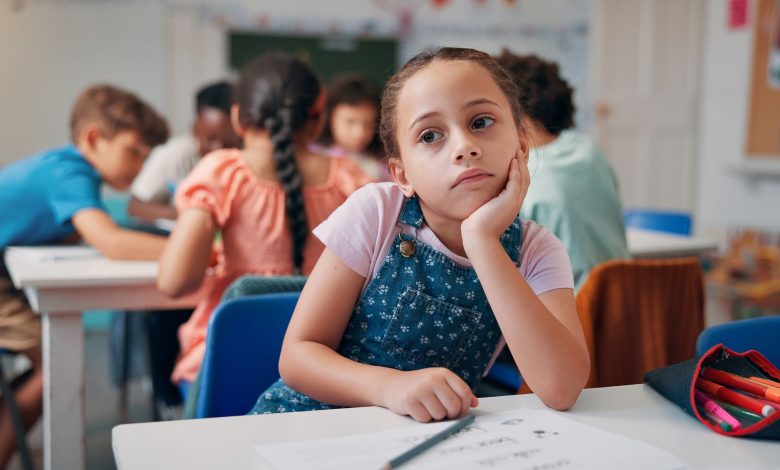
This week is Mental Health Awareness Week, and, while we’ve come a long way when it comes to helping those in need, we can’t risk going backwards. But it’s not just adults that suffer, explains Mental Health Expert and psychotherapist Noel McDermott.
With children it can be a challenge to notice they are in distress. Younger children may not have a broad range of emotional vocabulary to explain what’s happening, and older ones may not want to talk to you as a parent. Normal teen behaviour can also mask symptoms of problems. Withdrawal from family life and staying in their room, or being sullen or angry, can be signs of teen rebellion – or signs of illness. Younger kids often present distress as regressions to earlier forms of behaviour such as being clingy or wanting to suck their thumbs again, but there are core indicators for all of us to look out for in assessing if there is a problem. But first be sure to ask yourself three questions:
1 How serious are the ’symptoms’ you are observing?
On a scale of 1-10, with 1 as low, where would you place each symptom or sign of distress?
2 To what extent are these interfering with the normal course of your child?
This is the impact question, and again it can be given a numerical value from 1-10.
3 How long have these distressing behaviours been around?
I usually look at a two-week period as being indicative of needing to take action.
So, what are the signs to look out for that there may be psychological distress issues?
Sleep
Sleep disturbances are a classic sign of a potential problem. This could be at either end of the spectrum. Not getting enough sleep or sleeping too much. Noticing significant changes to your child’s usual sleep patterns is the key here.
Appetite
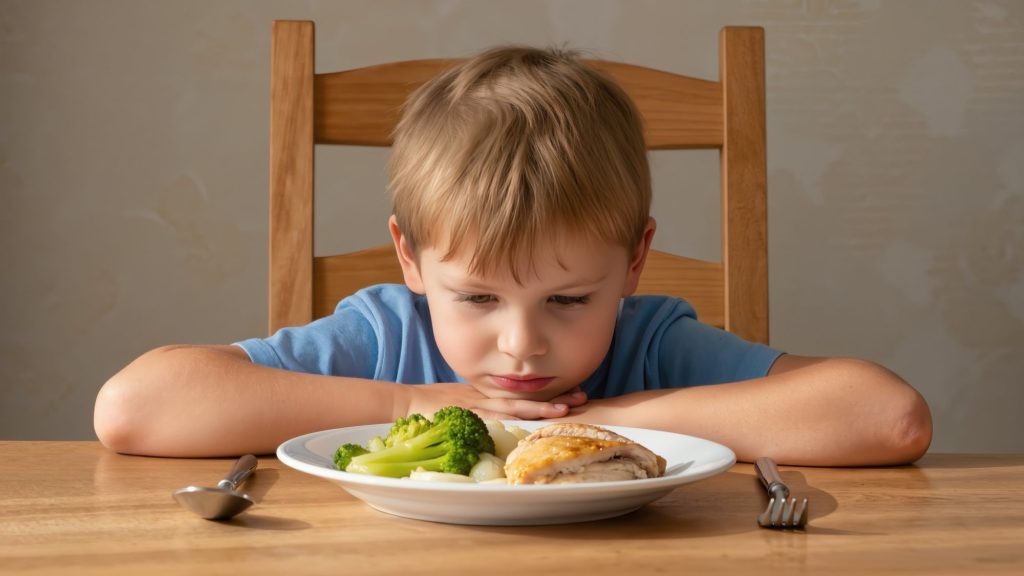
You may also notice your child has a change in their eating patterns. Again, it could be at either end of the spectrum, from avoiding food to eating a lot more.
Isolation
Avoidance or isolating are problem indicators. Avoidance can be anxiety, and isolation a depression issue. Withdrawal from contact for any reason is serious for any social animal such as ourselves.
Self-medicating
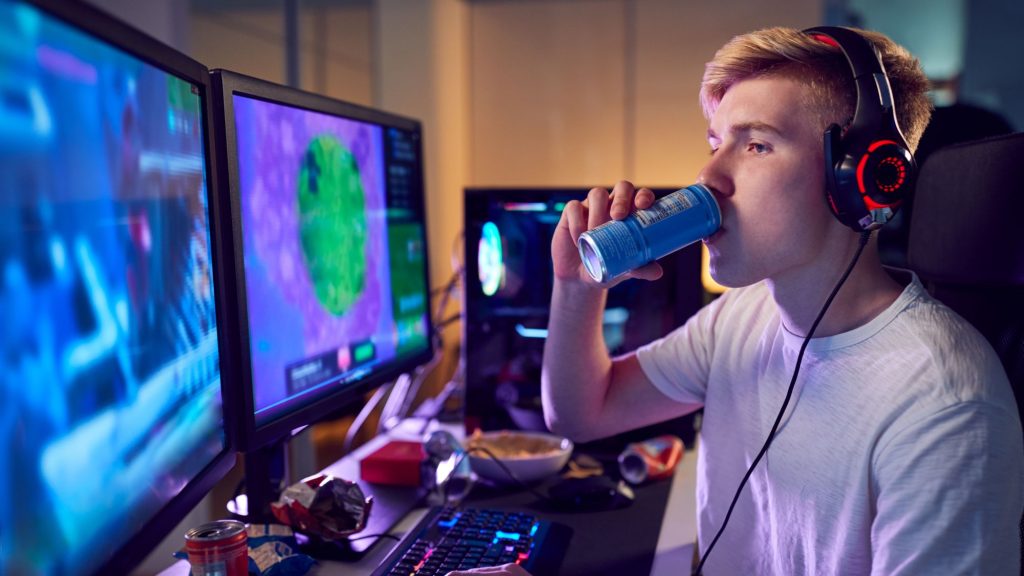
If you see this in younger children it requires immediate action. Typically alcohol and substance misuse, however, it could also be gaming – so look for significant changes in usage. In younger children this usually emerges as being clingy, thumb sucking, or needing a special toy.
Changes to thinking
Does your child say they are a burden, or a failure? Do they worry excessively about the future, or have extreme mood changes? Again, with teens this could be due to hormone changes, but certainly anger and emotional disregulation are often signs of distress.
With all of this you are looking for changes to normal patterns that stick around – and not just one symptom. Having said that, if there is only one symptom that is very severe and has a significant negative impact on their life then take action! Also, check with others that know your child to see if they have noticed change. The question now is what to do if there is an issue.
Seek professional help
It’s always helpful but maybe not always possible to get a professional assessment alongside your own. Generally, with any concerns about your kids involve school, GP and other services that are available. Take advice and follow their suggestions, but this may take time if your child is not an ‘emergency’ to them. If you have the resources, seek an assessment privately. But whilst that is all in motion you can also do a lot yourselves.
Have an open discussion
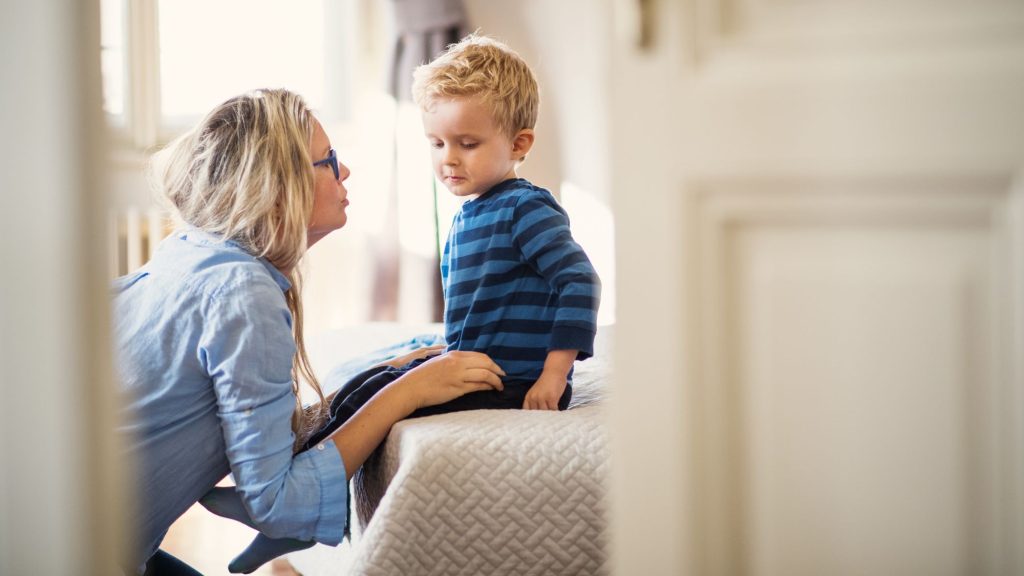
Sit down with your child to discuss their worries or concerns to encourage help seeking. Let your kids know it’s ok to be vulnerable by modelling this to them, and make sure they know they don’t have to come to yourselves, but can choose a teacher, relative, friend’s parent or anyone else they feel comfortable talking to.
Promote health and wellbeing
Stress is central to all psychological distress, so encourage them to learn relaxation techniques. Promote a healthy diet, focussing on regularity and social eating such as family meals. Social connection is another tool, such as groups and inviting their friends around. Then there’s exercise – especially outside. This may be a challenge with teens, but being creative can help. Organise walks and park activities, and be clear about modelling an active lifestyle to your kids yourself.
Remember: much of wellbeing in mental health is the same as wellbeing in physical health, so start there and it should hopefully improve outcomes significantly for yourself and your children.